
A Comparison That Looks Different Once Fire Season Is Part of It
Most comparisons between gas and wood fireplaces focus on ambiance, convenience, and heat output, and those are all legitimate factors in the decision. But for homeowners in Pasadena and the surrounding San Gabriel Valley, there is another angle worth weighing: how each fuel type performs specifically during the driest, highest risk months of the year, and how much upkeep each one demands to stay ready for them.
The Ambiance Question, Briefly
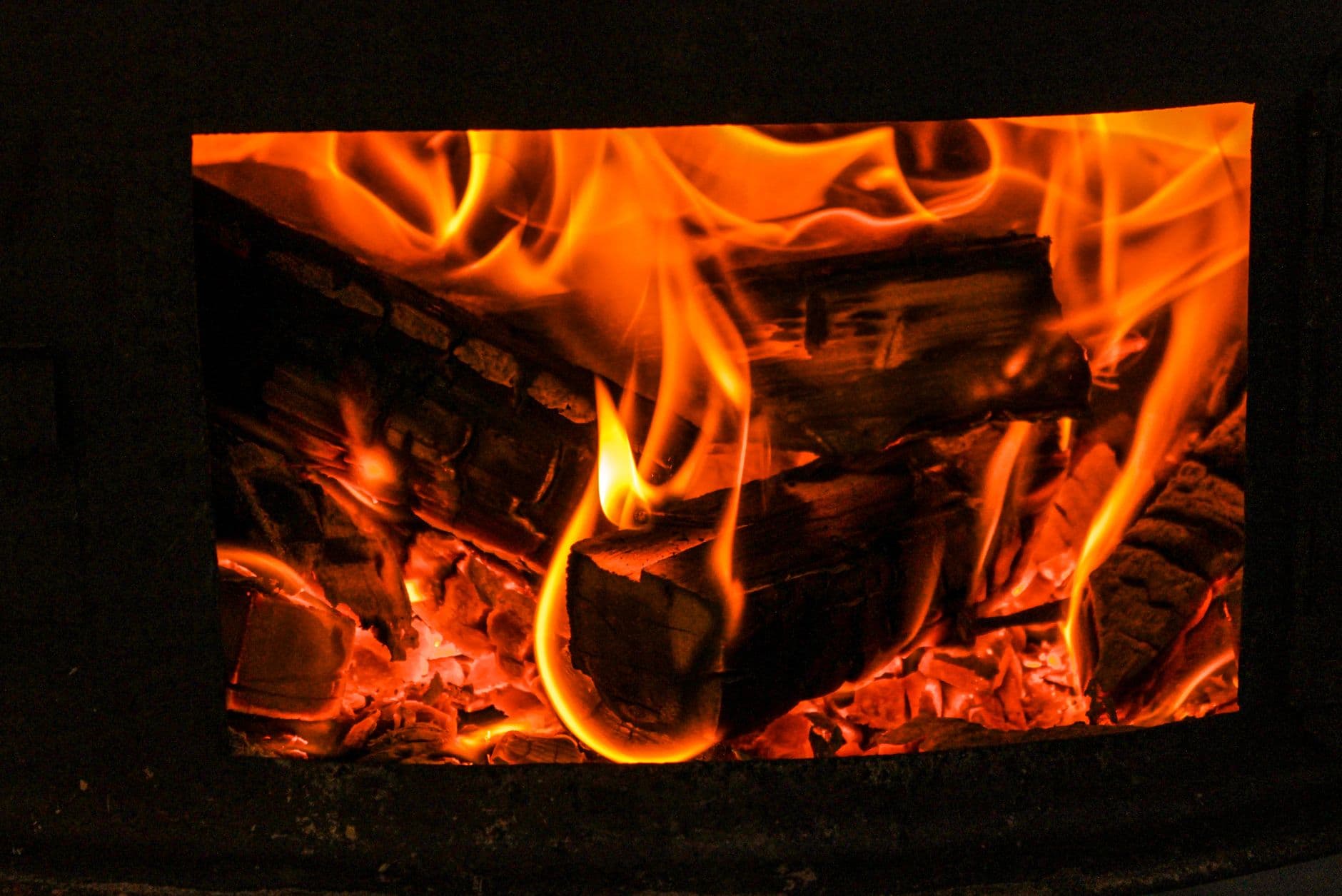
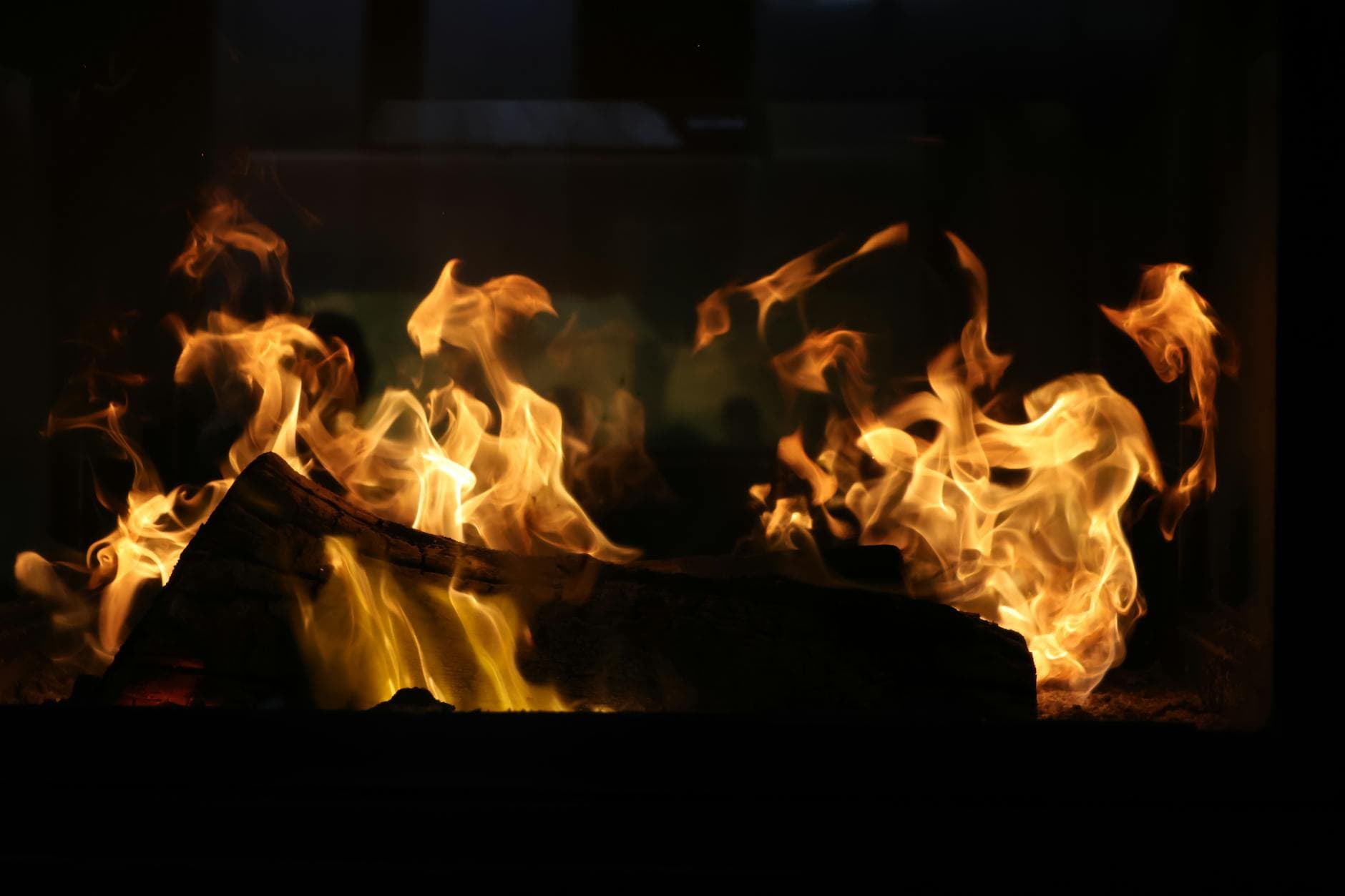
Wood fires offer an experience gas has never fully replicated: unpredictable flame movement, the sound and smell of burning wood, and the ritual of building and tending a fire. Modern gas fireplaces have closed much of that gap with realistic ceramic logs and variable flame patterns, and many homeowners find them convincing enough. This is largely a matter of personal preference, and neither choice is wrong on this point alone.

Ember and Spark Output
This is where the two fuel types diverge sharply for anyone thinking about fire season. A wood fire produces sparks and embers as a normal part of combustion, which is exactly why a properly sized spark arrestor mesh on the chimney cap matters so much for wood burning systems. Even with a well maintained cap, a wood fire is generating material that needs to be contained every time it burns.
A gas fireplace produces no sparks and no embers at all. There is no ember output to manage, no spark arrestor mesh doing double duty, and no creosote accumulating in the flue as a secondary fuel source. For a household that wants to reduce every controllable ignition factor during the driest months, this is the single biggest difference between the two options.
No-Burn Day Restrictions
Local air quality regulators call a "no-burn day" when conditions make wood smoke a bigger problem than usual, and on those days a non-compliant wood fireplace simply cannot be used. What makes this relevant to fire season specifically is the overlap: the same hot, still, stagnant air pattern that triggers a no-burn designation tends to show up during the same stretches when fire risk is already elevated for other reasons. A household relying on wood may find the fireplace off limits at precisely the point they most wanted a contained, controllable heat source. Gas units sidestep this entirely, since they fall outside these particular restrictions and remain usable regardless of the day's air quality designation.
Maintenance Demands Through the Season
Wood burning systems need more frequent attention overall: annual chimney cleaning to remove creosote, damper inspection, firebox checks for cracks, and cap inspection to confirm the spark arrestor mesh is intact and free of gaps. Each of these tasks matters more heading into fire season, since a missed inspection means carrying an unknown amount of risk into the driest months rather than a documented, addressed one.
Gas systems require far less upkeep: an annual professional inspection, burner and log cleaning, and periodic checks of the pilot and igniter components. There is no creosote to manage and no spark containment to verify, which meaningfully reduces the seasonal checklist for a gas burning household.
Heat Performance and Efficiency
Traditional open wood fireplaces are notoriously inefficient, often losing more heat up the chimney than they produce in the room, though a quality insert improves this considerably. Direct vent gas fireplaces typically deliver stronger, more consistent efficiency with thermostat controlled output. If heat performance matters as much as fire season readiness in your decision, gas tends to have the edge unless you are willing to invest in a modern wood burning insert.
Safety Considerations Beyond Ember Output
Wood systems carry additional safety considerations beyond spark output: chimney fire risk from creosote accumulation, carbon monoxide risk if the flue becomes blocked, and burns from an open flame and hot surfaces. Gas systems eliminate the chimney fire risk entirely and use sealed combustion in most modern units, which prevents combustion byproducts from entering the home, though gas systems introduce their own considerations, such as confirming pilot and igniter components are functioning and that glass fronts, which get extremely hot, are kept away from children and pets.
Converting an Existing Wood Fireplace
For households with an existing wood burning fireplace who are drawn to the reduced ember output and lower maintenance of gas, conversion is often possible without a full rebuild. A gas insert or a gas log set can typically be fitted into an existing masonry firebox, though the flue, damper, and combustion air supply all need to be assessed and sometimes modified as part of a proper conversion. Skipping that assessment is one of the more common ways a conversion ends up with a system that does not vent the way it should.
Making the Decision for Your Household
Wood may make sense if you value the authentic experience, you are committed to maintaining a properly capped and regularly cleaned system, and you do not mind occasional no-burn day restrictions during the driest stretches.
Gas may make sense if minimizing ember output and maintenance is a priority, you want the flexibility to use your fireplace regardless of air quality restrictions, and consistent, controllable heat matters more to you than the ritual of a wood fire.
A conversion is worth considering if you have an underused wood fireplace, want the reduced fire season upkeep of gas without giving up the existing fireplace footprint, or have found that no-burn restrictions limit your current fireplace more than you expected.
Home Value and Insurance Considerations
Buyers and insurers in fire prone parts of Southern California increasingly ask about ember and spark exposure alongside the usual questions about a fireplace's condition. A wood burning system with a documented, well maintained spark arrestor and a recent cleaning record answers that question directly. A gas system answers it by removing ember output from the equation entirely. Either can be a selling point in the right context, and neither is automatically the better answer for resale, since some buyers specifically want the wood burning option and are prepared to maintain it properly.
What a Pre-Season Assessment Actually Covers
Whichever direction you are leaning, an assessment before fire season sets in should look at more than the fuel type on its own. For a wood system, that means the spark arrestor mesh, the creosote stage in the flue, and the damper's ability to seal fully once the fire is out. For a gas system, it means confirming venting integrity and pilot reliability, since a compromised gas vent produces no visible warning before it becomes a carbon monoxide concern. Either way, the goal of the visit is the same: a clear answer about whether the system you have, or the one you are considering, is ready for the months ahead rather than a guess based on how it performed last time you used it.
Professional Guidance for Either Path
Whether you are maintaining a wood burning system properly, considering a conversion to gas, or want an honest assessment of how your current setup holds up heading into the driest months, our technicians service both fuel types throughout the Pasadena area.
Reach Fyreline Chimney Sweep at ${siteConfig.phone} to talk through your fireplace and what your household actually wants out of fire season. Our coverage area runs across Pasadena, Altadena, South Pasadena, San Marino, and La Canada Flintridge into the broader San Gabriel Valley, and we are glad to help you choose or maintain whichever setup matches how seriously you want to approach the driest months.
Need Professional Chimney Service?
Our crew handles chimney and fireplace work of every kind. Reach Fyreline Chimney Sweep for service anywhere in the Pasadena and the San Gabriel Valley service area.