Why the Cap Deserves to Be Called a Spark Arrestor
Most homeowners who think about a chimney cap at all think of it as protection against rain, birds, and the occasional raccoon looking for a place to nest. Those are all real benefits, and worth having on their own. But the function that matters most once fire season arrives in Pasadena is the one built into the mesh screen itself: the cap's role as a spark arrestor, doing two jobs at once that most people only ever think of as one.
Two Directions of Protection, One Piece of Mesh
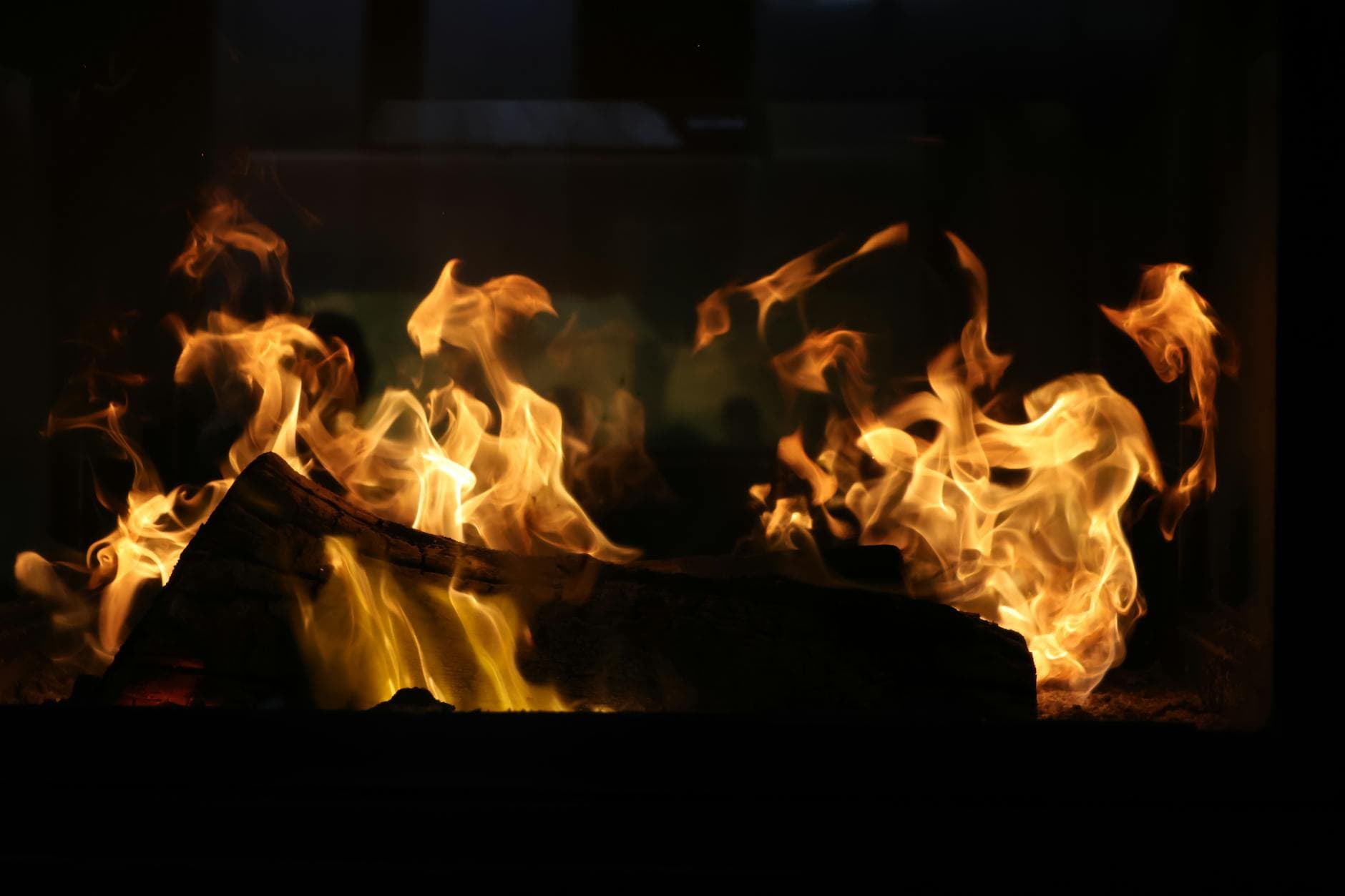
The first direction is the obvious one. When a wood fire burns, embers and sparks naturally rise with the smoke and hot air. Without a properly sized mesh screen at the top of the flue, those sparks travel straight out into open air, where they can land on a roof, in a gutter full of dry leaves, or on nearby vegetation. A mesh screen sized correctly for spark containment stops that from happening, catching sparks before they clear the top of the chimney.

The second direction gets far less attention, but it matters just as much during the driest months of the year. An open or poorly capped flue is also a path for outside embers, however small, drifting from a fire burning elsewhere, to find their way down into your chimney system. A mesh screen that keeps sparks from getting out works the same way in reverse, keeping stray embers from getting in.
What Happens Without a Properly Sized Cap
A chimney cap without adequate mesh, or a chimney with no cap at all, leaves both of those pathways open. On the outgoing side, every fire you burn sends unfiltered sparks upward, with no barrier between the flame and your own roof or the yard next door. On the incoming side, an open flue during a period when the surrounding hills are dry and windy is one more opening on your home's exterior with no protection against airborne embers.
Neither direction gets the attention it deserves in most conversations about chimney caps, which tend to focus on water damage and animal intrusion instead. Both of those concerns are legitimate, but the spark arrestor function is the piece that connects your chimney directly to your home's overall readiness for the driest part of the year.
Water and Animal Protection Still Matter
Even setting the spark function aside, an uncapped flue causes real damage over time. Rain falling directly into the chimney rusts the damper assembly, accelerates cracking in a clay tile liner, and works its way into mortar joints until they begin to crumble. Birds, raccoons, and squirrels treat an open flue as sheltered real estate, and once nesting material accumulates inside, it becomes both a blockage and its own fire hazard, sitting directly in the path of any spark the mesh should otherwise be catching.
Debris matters too. Leaves, needles, and wind blown material collect readily in an open flue, particularly in neighborhoods with mature tree cover common throughout Pasadena and South Pasadena. That debris does double duty as a hazard: it restricts airflow the way creosote does, and it adds dry, combustible material directly above the spark arrestor mesh, right where a stray ember has the best chance of finding fuel.
Mesh Sizing Is Not a Detail to Skip
Not every mesh screen provides the same level of protection. A screen with openings that are too large lets sparks and small embers pass through in both directions, defeating the purpose of having a cap at all. A properly sized mesh balances two competing needs: openings small enough to contain sparks and block embers, while remaining open enough that the mesh itself does not choke off draft or clog quickly with creosote and become a maintenance problem on its own.
Getting that balance right depends on the specific chimney, the flue size, and how the fireplace is used, which is part of why professional sizing and installation matter more than picking whichever cap happens to be available at a hardware store.
Cap Types and How They Fit Different Homes
Single flue caps cover one flue opening and suit most homes with a single fireplace or vent.
Multi flue caps cover the whole chimney top in one piece, a practical choice when a fireplace and a separate gas appliance vent share the same masonry structure and both openings need the same level of protection.
Top mount damper caps combine the mesh screen with a damper mechanism operated by a cable, letting you seal the flue at the very top when the fireplace is not in use, which also means the spark arrestor mesh stays in place and doing its job continuously rather than only during an active fire.
Material Choices for Long Term Reliability
Galvanized steel caps cost the least but tend to show rust within roughly five to ten years, especially on wood burning flues where acidic creosote residue speeds up corrosion. A rusted mesh screen develops gaps well before it looks obviously failed from the ground, which is exactly the kind of quiet deterioration that matters most going into fire season. Stainless steel holds up to both corrosion and repeated heat exposure considerably longer, which is why it is generally the material we recommend for wood burning systems in this area. Copper holds up just as well against the elements and takes on a weathered green tone as it ages, an appearance some homeowners specifically choose for the look alone.
Checking Your Existing Cap Before You Need It To Perform
If you already have a cap installed, a few signs suggest it needs attention: visible rust on the housing or mesh, holes or gaps in the screen large enough to see through clearly, a cap sitting at an angle or loose on its mounting, or dents from a fallen branch. Any of these compromises the spark arrestor function specifically, even if the cap still looks like it is doing its basic job of keeping rain out.
Timing Cap Inspection Around the Season
Because the spark arrestor function matters most during the driest, windiest stretch of the year, checking your cap's condition in spring or early summer, before fire season fully sets in, gives you time to repair or replace it before conditions actually test it. Waiting until a hot, dry week to discover a torn mesh screen means living with reduced protection at exactly the time you need it most.
Professional Installation Protects the Investment
You can buy a chimney cap off the shelf at a hardware store, but getting the size and the mount right matters more than the shopping trip suggests. Too small, and gaps stay open around the edges. Too large, and the whole assembly can work loose or come off completely once a hard wind picks up, and here that usually means a Santa Ana event, the same weather pattern most closely tied to higher fire danger across the region. A professional installation includes measuring the flue itself rather than guessing at a standard size, and confirming the cap style actually suits how your fireplace or appliance vents.
A Note on Multi Flue Systems
Plenty of chimneys in this area carry two flues rather than one, often a fireplace on one side and a furnace or water heater vent on the other, both running up through the same masonry stack. Every opening on that stack needs its own spark protection, not just the flue that happens to be top of mind. We regularly find a well maintained cap on the fireplace side while the second opening sits bare next to it, carrying the exact same ember exposure. A full assessment looks at the whole chimney top, not only the flue a homeowner called about.
Schedule a Cap Inspection or Installation
A missing cap or a mesh screen that has seen better days is worth calling about before you need it to perform. Reach our team at ${siteConfig.phone}, and we will assess your existing spark arrestor mesh, walk you through cap and material options suited to your chimney, and confirm the installation can handle both wind and heat once it is in place.
Pasadena, Altadena, South Pasadena, San Marino, and La Canada Flintridge are all part of our regular service territory, along with the wider San Gabriel Valley, and we would much rather confirm your spark protection is solid ahead of the dry season than have you find out otherwise once it arrives.
Need Professional Chimney Service?
Our crew handles chimney and fireplace work of every kind. Reach Fyreline Chimney Sweep for service anywhere in the Pasadena and the San Gabriel Valley service area.