What Your Chimney's Warning Signs Actually Mean Once Fire Season Arrives
Every chimney accumulates creosote as a byproduct of burning wood, and during a mild winter with occasional fires, a moderate amount sitting in the flue is a normal maintenance item rather than an emergency. Fire season changes that calculation. When the surrounding hills are dry, humidity drops, and wind events become more frequent across the San Gabriel Valley, the same buildup that was a minor concern earlier in the year becomes fuel sitting inside your home at exactly the time when ignition sources deserve the most attention.
Here are the five signs our technicians see most often when a chimney has reached the point where that fuel load needs to come out, along with why each one carries extra weight once fire season sets in.
Sign One: Smoke or Haze That Lingers Instead of Clearing
A fire that draws properly sends smoke up and out through the flue almost immediately. If you notice a persistent haze in the room, smoke that seems to hang near the damper opening, or soot marks reappearing on the wall above the fireplace no matter how often you clean them, restricted airflow is the likely cause.

Restricted airflow usually traces back to one of a few causes: creosote narrowing the flue's working diameter, a bird's nest or other debris creating a partial blockage, or a damper that no longer opens to its full clearance. Whatever the specific cause, a chimney that cannot move smoke and air the way it is designed to is also a chimney that is not managing heat the way it should during an active burn.
Sign Two: Odors That Show Up Even When No Fire Has Been Lit
A chimney in good condition should not produce a noticeable smell most of the time. A tar like odor that gets stronger on warm days, a musty smell suggesting moisture intrusion, or an unpleasant odor that could point to an animal in the flue are all signals worth acting on.
Warm, dry conditions typical of late summer in Pasadena tend to intensify creosote odor specifically, since heat makes the compounds in creosote more noticeable. If your chimney smells stronger as the weather turns hot and dry, that is a fairly direct signal that the buildup inside has reached a level worth addressing before you rely on the fireplace again.
Sign Three: Visible Black Deposits Inside the Firebox
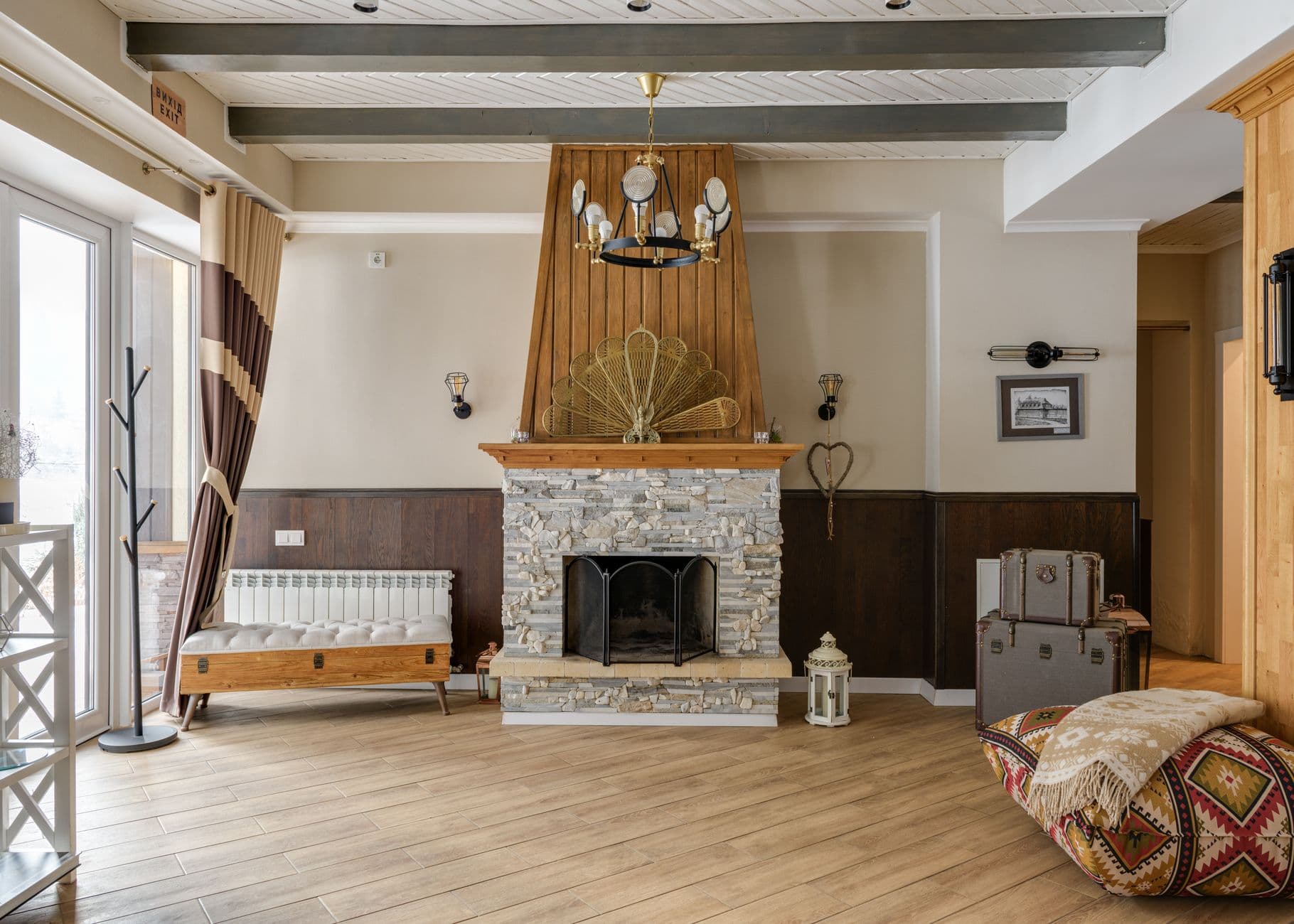
Take a flashlight and look up into the firebox. A light, flaky black coating is the earliest and easiest stage of creosote to remove. A harder, shinier coating that takes more effort to scrape away is a more advanced stage. A glazed, almost dripping looking coating is the most dangerous form, and it is also the form most capable of turning a routine fire into a chimney fire with very little warning.
Any of these deposits represent stored fuel sitting inside a structure that runs through your attic, your roofline, and often close to framing lumber. During the months when everything outside your home is also drier than usual, that stored fuel deserves the same attention you would give a woodpile stacked too close to the house.
Sign Four: Fires That Won't Establish or Stay Lit
If lighting a fire has become a struggle, weak flames, smoke every time you add a log, a fire that seems to gasp for air, restricted draft is almost always the underlying cause. Heavy creosote buildup narrows the flue enough to choke off the airflow a fire needs to burn cleanly.
This matters for a reason beyond convenience. A fire struggling for oxygen tends to smolder rather than burn hot, and smoldering fires produce more of the unburned particles that turn into creosote in the first place. A chimney already narrowed by buildup makes the next fire worse, not better, which is part of why this problem tends to compound the longer it goes unaddressed.
Sign Five: White Staining on the Exterior Masonry
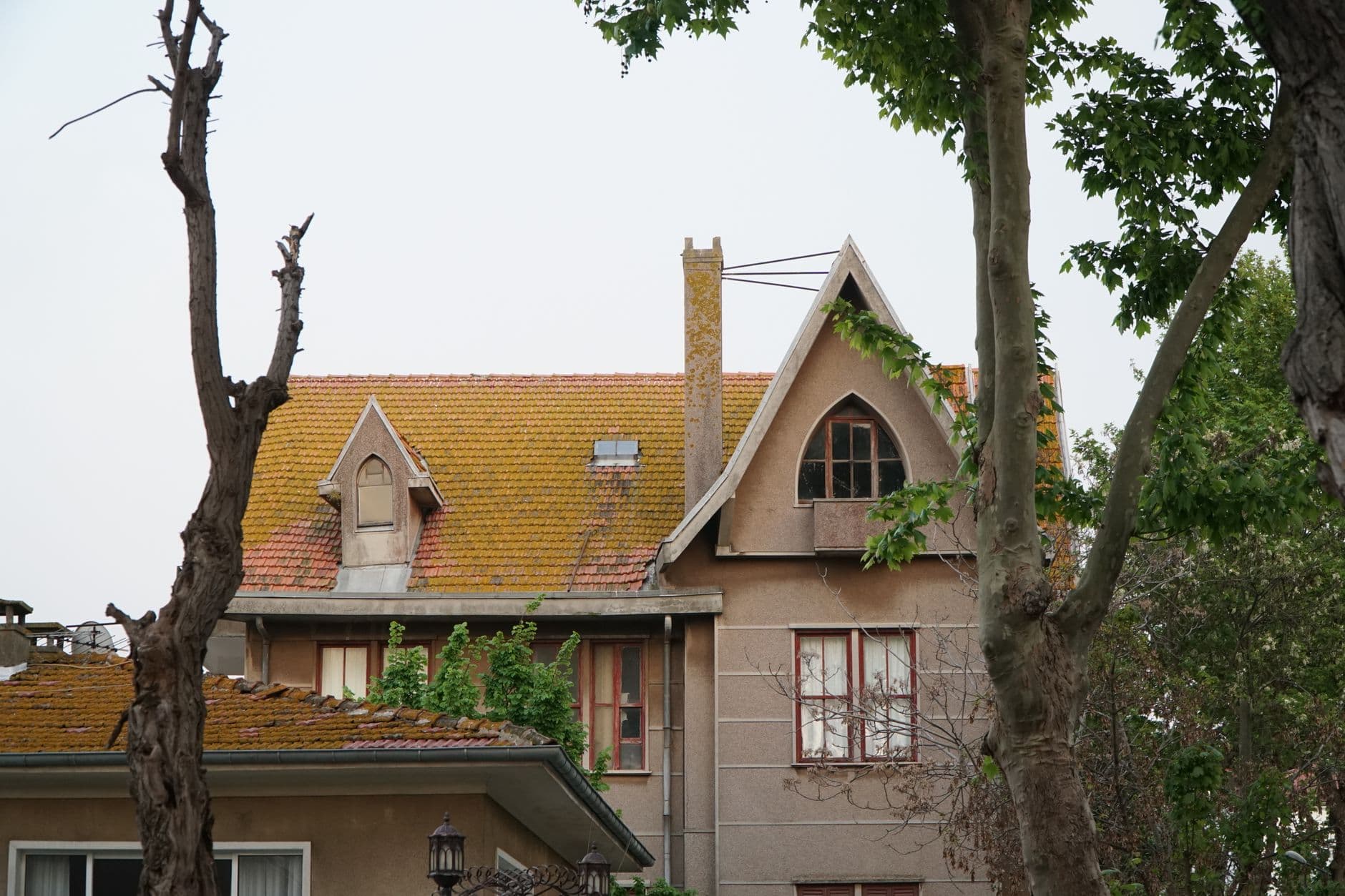
Step outside and look at the brick or stone. Chalky white staining, known as efflorescence, forms when water has been moving through the masonry and leaves mineral deposits behind as it evaporates. The staining itself is cosmetic, but it points to moisture finding its way in through a damaged cap, a cracked crown, or deteriorating mortar.
That moisture pathway matters for fire season readiness in a specific way. The same gaps that let water in are gaps where a spark arrestor mesh or cap seal might also be compromised, and a chimney exterior that is already weakened by water damage is less able to hold up against the kind of debris accumulation, dry leaves, needles, wind blown material, that collects readily during the driest stretch of the year.
Why These Signs Matter More As the Season Turns Dry
None of these five signs are unique to fire season. Chimneys develop creosote, odors, draft problems, and efflorescence throughout the year regardless of the broader weather pattern. What changes is the context. A chimney carrying a heavy creosote load in the middle of a wet winter is still a hazard, but the surrounding conditions are working somewhat in your favor. The same chimney carrying that load once the hills around Altadena and La Canada Flintridge have dried out, humidity has dropped, and wind events have become more common is a hazard operating in conditions that offer less of a safety margin if something does go wrong.
Other Clues Worth Checking While You're At It
A few additional signs are worth a quick check alongside the five above. Visible debris or chunks of tile inside the firebox point to deterioration happening somewhere inside the flue and warrant a closer look. Rust on the damper accelerates all the other problems on this list, since a damper that will not seal properly changes how air moves through the whole system. Frequent bird or animal activity near the chimney top often means nesting has already started or is about to, which adds combustible material directly above the flue.
What a Professional Cleaning Actually Clears Out
When you schedule a cleaning with Fyreline Chimney Sweep, our technicians start with an assessment of the exterior and interior before touching a brush, then protect your home with drop cloths and use equipment with HEPA filtration to keep dust contained. Brushes sized specifically to your flue clear creosote and debris along the entire length of the chimney, and a post cleaning inspection checks for any damage the buildup may have been hiding underneath it. You receive a written summary of what was found and any recommendations for further work.
Timing Your Cleaning Before the Dry Months Set In
Scheduling a cleaning in spring or early summer, before fire season fully arrives, means your flue is at its full working diameter and free of accumulated fuel before the driest, windiest stretch of the year gets underway. Waiting until you notice one of these five signs during an active dry spell means addressing the problem at exactly the time when scheduling gets tighter and the margin for delay gets thinner.
Get Your Chimney Cleared Before Fire Season Tests It
If you have noticed any of these signs, or if it has been a while since your last professional cleaning, contact Fyreline Chimney Sweep at ${siteConfig.phone}. Our crews work throughout Pasadena, Altadena, South Pasadena, San Marino, and La Canada Flintridge, plus the rest of the San Gabriel Valley, and we would rather clear that fuel load out of your chimney during a calm stretch than have you discover how much had built up on a dry, windy one.
Need Professional Chimney Service?
Our crew handles chimney and fireplace work of every kind. Reach Fyreline Chimney Sweep for service anywhere in the Pasadena and the San Gabriel Valley service area.