Two Goals That Line Up More Than You'd Expect
Homeowners usually think about fireplace efficiency in terms of heat: how to get more warmth out of the wood they burn. There is a second benefit to the same habits that gets far less attention, and it matters more once the dry months of fire season set in around Pasadena. A fire that burns hot, clean, and complete produces fewer stray sparks and less unburned material rising up the flue than a fire that smolders or burns cool. Getting more heat and reducing ember output turn out to be largely the same project.
Why Cool, Smoldering Fires Throw More Sparks
A fire that is starved for oxygen, whether from a partially closed damper, wet wood, or a flue narrowed by creosote, does not burn evenly. Instead of a steady, complete combustion process, it produces pockets of intense heat mixed with areas of incomplete burning, which tends to send larger, less fully consumed particles up the flue rather than fine ash. Some of that material continues burning as it travels, showing up as visible sparks at the top of the chimney.
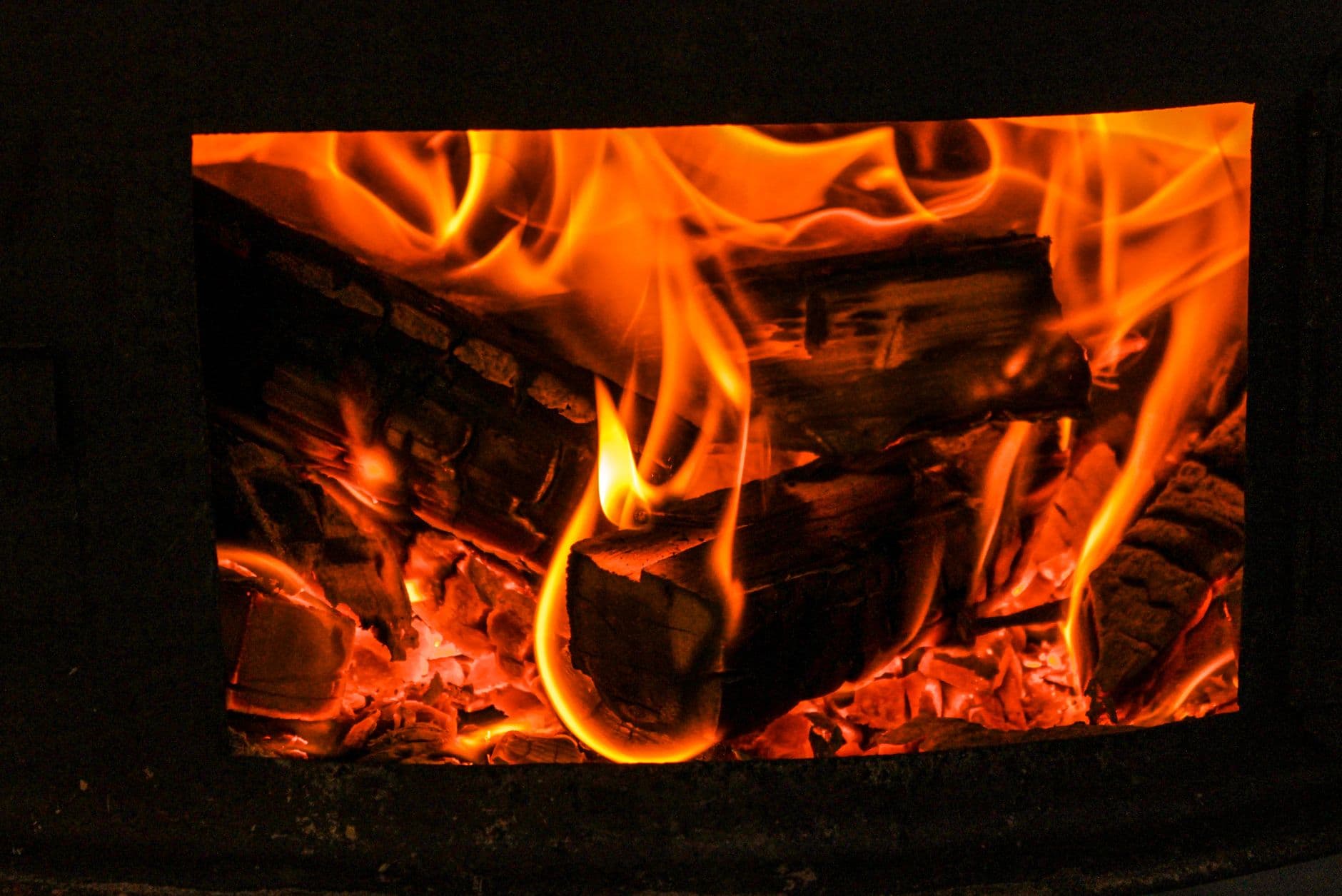
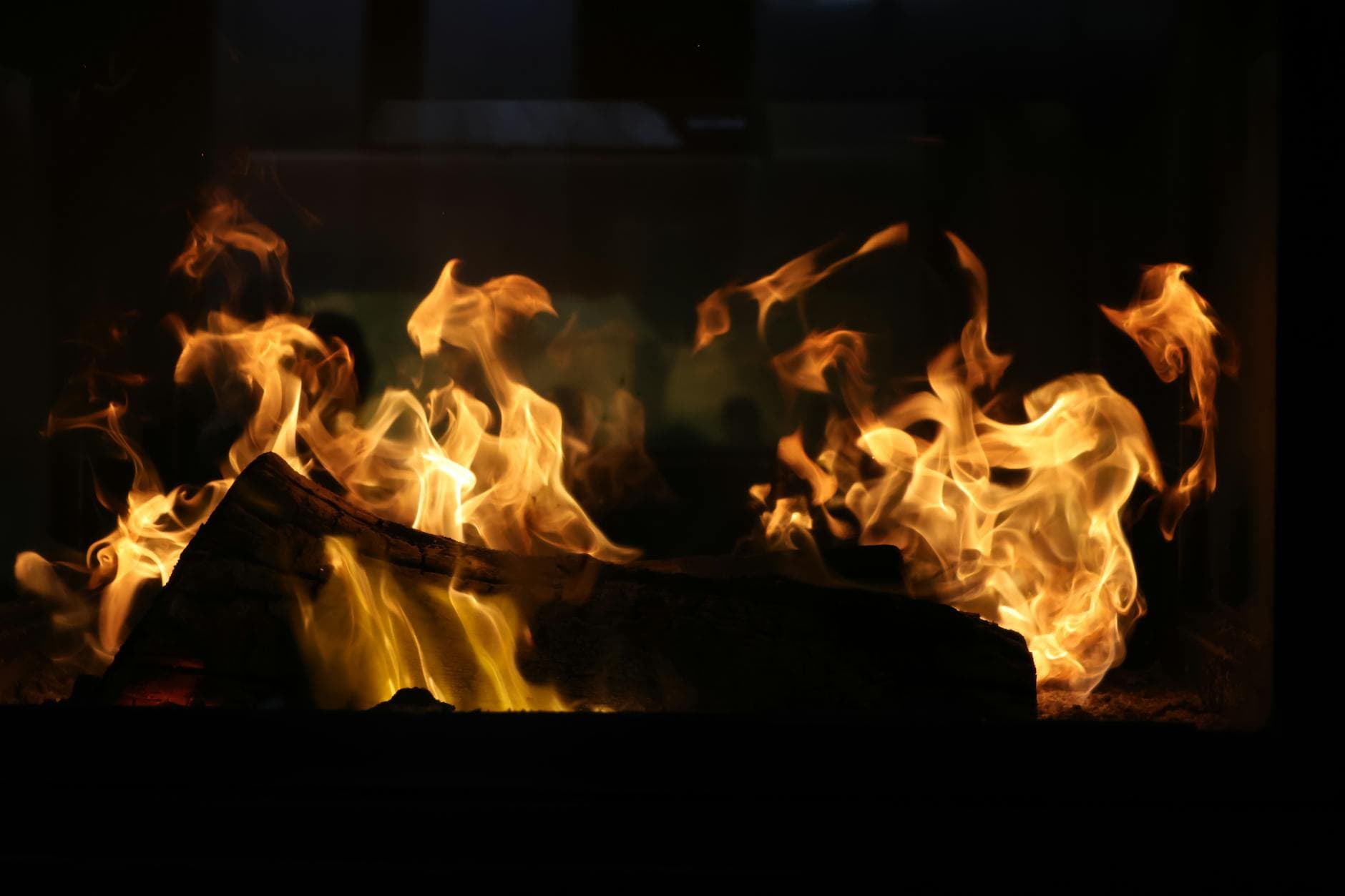
A hot, well established fire burns more completely before combustion products ever reach the flue, which means less unburned material available to become a spark in the first place. The same conditions that improve heat output also reduce what makes it out the top of your chimney while still glowing.

Start With a Clean Flue
A flue narrowed by creosote restricts draft, and restricted draft is one of the more common causes of the smoldering, oxygen starved fires that produce heavier spark output. Beyond the draft benefit, a clean chimney also means less accumulated creosote available to catch a spark on its way up in the first place. Scheduling a cleaning before fire season begins addresses both the efficiency problem and the ember output problem with a single visit.
Burn Properly Seasoned Wood
Wet or green wood wastes combustion energy evaporating moisture instead of producing heat, which lowers the overall fire temperature and increases both smoke and spark production. Properly seasoned wood, dried for several months and stored off the ground with airflow around it, burns hotter and more completely. You can typically tell seasoned wood by its grayish color, lighter weight, hollow sound when pieces are knocked together, and cracks visible on the cut ends. Bark that peels away easily is another reliable sign.
Build Fires From the Top Down
The traditional method of stacking kindling under logs has largely been replaced by a more efficient approach: place the largest logs on the bottom, add a layer of medium logs, then kindling, then a fire starter on top, and light from there. This method heats the flue first, establishing strong draft before the main fire builds, which means less smoke escaping into the room during startup and a more complete burn overall, both of which translate to fewer sparks once the fire is fully going.
Manage Airflow Instead of Restricting It Blindly
During ignition, opening the damper fully gives the fire the oxygen it needs for a quick, clean start. Once established, adjust the damper to maintain steady, lively flames without excessive draft, rather than closing it down to try to stretch the burn. A fire damped too far to slow it down tends to smolder, which increases both creosote formation and spark output, working against the very goal the closed damper was meant to achieve.
Consider an Insert for the Biggest Improvement
For homeowners who want the most significant change in both heat output and spark control, a fireplace insert fitted into an existing masonry firebox makes a meaningful difference. Inserts draw combustion air from outside rather than from the heated room, use metal heat exchangers to route air around the firebox before returning it warmed to the room, and burn with tighter control over the combustion process than an open fireplace can achieve. That controlled combustion also means a more complete burn with far less unburned material reaching the flue, which directly reduces what could otherwise become a spark.
Elevate Your Logs
A fireplace grate or andirons that lift logs off the firebox floor allow air to circulate underneath the fire, supporting more complete combustion and more even burning. Ash falling below the logs rather than smothering them from beneath keeps the fire burning cleanly rather than choking on its own byproducts, another factor that reduces the unburned material available to spark.
Keep the Damper in Good Repair
A rusted or warped damper, common after age or a past chimney fire, may not seal fully or open to its full clearance, either of which affects how completely a fire burns. If your damper has not been closing tightly, a top sealing damper mounted at the top of the flue is worth considering, since it improves the overall seal and airflow control compared to a throat damper that has degraded over time.
Build Cleaning and Inspection Into Your Seasonal Routine
Efficiency and ember control both depend on ongoing maintenance rather than a single fix. Annual chimney inspection and cleaning, damper inspection, and a firebox check for cracks or deterioration all support the same goal: a fire that burns completely, produces the heat you actually want, and sends fewer stray embers up the flue in the process. Doing this work in spring or early summer, ahead of the driest months, means your fireplace is ready before you actually need to rely on it.
When an Alternative Makes More Sense
For some households, a gas fireplace or an electric unit makes more sense than continuing to manage a wood burning system through fire season, particularly if the fireplace sees light or occasional use. Gas fireplaces eliminate spark and ember output entirely, and modern electric units produce no combustion byproducts at all. Neither replaces the experience of a wood fire for everyone, but both are worth considering if spark management feels like more upkeep than the fireplace is worth to your household.
Watch for Signs Your Habits Aren't Working Yet
Even with good intentions, it takes a few fires to know whether a change is actually helping. Persistent smoke when you add a log, a faster than expected return of black deposits in the firebox, or a fire that still seems to gasp for air despite dry wood and a fully open damper all suggest something else is limiting the burn, often a flue that needs cleaning before any of these habits can show their full benefit. Building better habits and confirming the chimney itself is clear both matter, and neither one fully compensates for the other.
Ash Management Matters More Than It Seems
Leaving a thin layer of ash, roughly an inch, in the firebox actually helps future fires burn more efficiently by insulating the coals and reflecting heat back into new logs. Letting ash pile up well beyond that, on the other hand, can restrict airflow to the base of the fire and interfere with combustion the same way a clogged flue does higher up. Clearing excess ash into a metal container, and only once it has fully cooled, keeps the firebox working the way it was designed to rather than fighting against its own buildup.
Get a Professional Assessment
Every fireplace and chimney system is a little different, and the specific habits that improve your setup depend on your firebox, flue, and how you actually use it. Our technicians can evaluate your system and recommend changes tailored to reducing both wasted heat and ember output before fire season arrives.
Call ${siteConfig.phone} to set up a consultation with Fyreline Chimney Sweep. Our service territory runs from Pasadena and Altadena through South Pasadena, San Marino, and La Canada Flintridge, out to the rest of the San Gabriel Valley, and we would much rather help you burn cleanly and efficiently now than have you discover mid season that a habit was working against both goals at once.
Need Professional Chimney Service?
Our crew handles chimney and fireplace work of every kind. Reach Fyreline Chimney Sweep for service anywhere in the Pasadena and the San Gabriel Valley service area.